The Essential Guide to Plumbing Codes: Ensuring Compliance and Safety Mar 25, 2026
Plumbing codes are set by local authorities to ensure safety and functionality in plumbing systems. They govern everything from pipe sizes and materials to the placement of fixtures and water heater installation. These codes are not arbitrary; they are designed to prevent hazards such as water contamination, cross-connections, and inefficient water usage. Adhering to these guidelines not only keeps you safe but also prevents costly fines and the need for retroactive repairs.
Homeowners may find plumbing codes intimidating, but understanding them can be quite straightforward with a little guidance. The first step is to become familiar with your local regulations. Plumbing codes can vary significantly depending on your location, so it's crucial to refer to your county or municipality's guidelines. Many local government websites provide access to these codes online, or you can visit your local building department for more information.
Once you're familiar with the relevant codes, it's important to ensure that any new plumbing installations or modifications to your existing system adhere to these standards. This is where hiring a professional plumbing service like Little Plumbing can be invaluable. Our skilled technicians are well-versed in the latest plumbing codes and can ensure all work is done to the highest standards of safety and compliance.
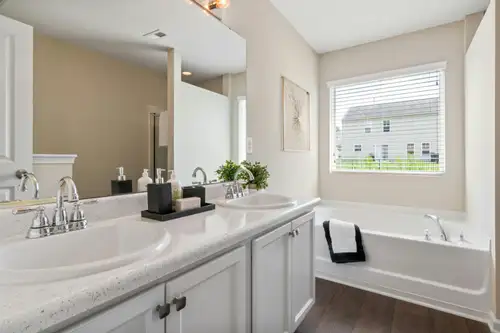
One common area where plumbing codes often come into play is during bathroom or kitchen remodeling. Whether you're installing a new sink or repositioning a shower, there are specific codes regarding drainage, venting, and fixture spacing that must be followed. For instance, the vent pipes must be properly configured to prevent sewer gases from entering your home, while ensuring that water flows smoothly to prevent clogs and backups.
The installation of water heaters is another critical area governed by codes. These standards dictate everything from the location and venting of the heater to its safety features, like temperature and pressure relief valves. Improper installations can lead to hazardous situations such as water damage or even explosions. At Little Plumbing, we ensure that every water heater installation meets the strict criteria of local codes to keep your home safe and secure.
Failing to comply with plumbing codes can have serious consequences. Beyond potential dangers to health and safety, non-compliance can result in legal issues, expensive fines, and even the need for costly repairs or system replacements. Moreover, if you ever plan to sell your home, unpermitted plumbing work can become a significant hurdle during the inspection process, potentially impacting your property’s value and saleability.
In conclusion, whether you're embarking on a small repair or a major renovation, understanding and complying with plumbing codes is crucial. It not only ensures safety and efficiency but also provides peace of mind knowing that your plumbing system is functioning correctly and legally. At Little Plumbing, we're committed to helping you navigate these waters, ensuring all your plumbing work is up to code and done right the first time. If you have any questions or need assistance with your plumbing needs, don’t hesitate to contact our team of experts. Together, we can ensure that your home's plumbing is safe, compliant, and worry-free.
/filters:no_upscale()/filters:format(webp)/media/1d0f7eb6-631c-4210-9beb-1ca59a926a7d.jpeg)
/filters:no_upscale()/filters:format(webp)/media/8e93ba2e-0345-4e7d-8a45-cfa85f20410e.webp)